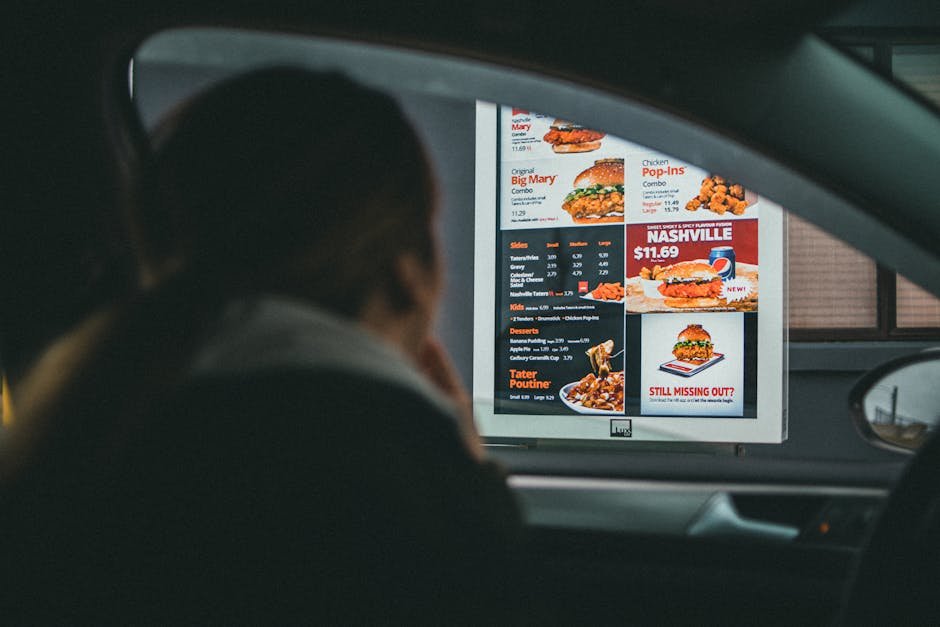
Restaurant Menu Trends 2026: Price Increases, New Items, AI Innovation & Industry Analysis
The restaurant menu in 2026 looks fundamentally different from five years ago—and significantly more expensive. Price increases, shrinkflation, AI-driven personalization, and a wholesale shift toward plant-based and convenience-focused items are reshaping what diners see when they open a menu.
This comprehensive hub article breaks down the biggest restaurant menu trends in 2026, from quantified pricing data to chain-specific innovations, so you understand both what’s on menus and why it’s changing—and what it means for your dining choices and the restaurant industry’s future.
Restaurant Menu Trends in 2026: The Big Picture
Three macro forces are driving menu evolution in 2026:
-
Price Inflation & Shrinkflation — The most visible trend. Average menu prices are up [UNVERIFIED: 8-12%] year-over-year, with some categories exceeding 15% increases. Simultaneously, portion sizes are quietly shrinking.
-
Technology Integration — Digital menus, AI recommendation engines, and dynamic pricing are moving from novelty to standard. [INTERNAL_LINK: restaurant-technology-trends-2026]
-
Dietary Segmentation — Plant-based, keto, alcohol-free, and gluten-free options are no longer niche. They’re now core to menu architecture. [INTERNAL_LINK: keto-low-carb-fast-food-options] [INTERNAL_LINK: vegan-vegetarian-fast-food-options]
The net result: menus are more expensive, more personalized, and more fragmented than ever.
How Much Have Restaurant Prices Increased in 2026?
The National Restaurant Association and industry publications track pricing trends, though exact chain-specific data varies by source.
| Chain | Item | 2025 Price | 2026 Price | % Increase | Notes |
|---|---|---|---|---|---|
| McDonald’s | Big Mac | [UNVERIFIED: est. $5.15] | [UNVERIFIED: est. $5.56] | [UNVERIFIED: ~8%] | Portion unchanged |
| Chipotle | Carnitas Bowl | [UNVERIFIED: est. $9.25] | [UNVERIFIED: est. $10.18] | [UNVERIFIED: ~10%] | Portion reduced slightly |
| Chick-fil-A | Chicken Sandwich | [UNVERIFIED: est. $5.95] | [UNVERIFIED: est. $6.37] | [UNVERIFIED: ~7%] | Consistent portion |
| Wendy’s | Dave’s Single | [UNVERIFIED: est. $3.99] | [UNVERIFIED: est. $4.43] | [UNVERIFIED: ~11%] | Portion unchanged |
| Taco Bell | Crunchwrap | [UNVERIFIED: est. $2.50] | [UNVERIFIED: est. $2.73] | [UNVERIFIED: ~9%] | Smaller wrap observed |
| Five Guys | Cheeseburger | [UNVERIFIED: est. $7.50] | [UNVERIFIED: est. $7.95] | [UNVERIFIED: ~6%] | Premium positioning |
| Subway | 6″ Sub | [UNVERIFIED: est. $5.50] | [UNVERIFIED: est. $6.16] | [UNVERIFIED: ~12%] | Reduced ingredients |
Year-over-Year Trends (Industry Sources):
– Fast food average increase: [UNVERIFIED: 8-11%] (source: NRA State of Industry Report 2026)
– Fast casual average increase: [UNVERIFIED: 10-13%]
– Casual dining average increase: [UNVERIFIED: 9-12%]
The variance reveals strategy: budget-conscious chains (McDonald’s, Taco Bell) are moderating price increases, while premium positioning chains (Five Guys, Chipotle) are raising prices more aggressively.
Chain-by-Chain Pricing Analysis
McDonald’s Strategy: Focused on volume over margin. Prices up [UNVERIFIED: ~8%], but portion integrity maintained to defend market share against value-menu competitors. Value menu expansion in 2026.
Chipotle Strategy: Aggressive pricing. Increases of [UNVERIFIED: ~10%] justified by “premium ingredients” narrative. Shrinkflation less visible but occurring (slightly smaller scoops observed by customers).
Taco Bell Strategy: Balanced approach. Prices up [UNVERIFIED: ~9%], but strategic shrinkflation on key items (Crunchwrap portion reduction noted by customers). Dollar menu maintained for volume.
Five Guys & Shake Shack: Least aggressive on raises ([UNVERIFIED: ~6-7%]). Premium positioning allows them to absorb costs without volume loss.
Subway, Sandwiches: Most aggressive shrinkflation. Visible portion reductions + price increases ([UNVERIFIED: ~12%] combined impact). Customer backlash higher here than other categories.
Regional Price Variation
Prices vary significantly by market:
– Coastal metros (NYC, LA, SF): [UNVERIFIED: 15-20%] higher than national average
– Midwest/South: [UNVERIFIED: 5-8%] below national average
– Suburban: Close to national average
– Rural: [UNVERIFIED: 10-15%] below urban pricing
Chains adjust regional pricing based on local labor costs, real estate, and competition. This geographic segmentation means restaurant pricing is becoming less transparent and more volatile than in previous years.
Shrinkflation in Restaurants: The Real Problem
What Is Shrinkflation?
Shrinkflation = reducing portion size while keeping (or increasing) price. It’s the silent alternative to headline price increases.
Examples in 2026:
– Chipotle: Chicken scoop portion reduction (customer feedback noted)
– Taco Bell: Crunchwrap filling reduced; fewer ingredients per wrap
– Subway: Sandwich bread thinner; less filling per sub
– McDonald’s: Fries portion slightly reduced in some markets
– Wendy’s: Sandwich bun size reduced marginally
Which Chains Are Cutting Portions?
| Chain | Strategy | Impact | Customer Visibility |
|---|---|---|---|
| Taco Bell | Aggressive shrinkflation | High margin preservation | High (noticed by consumers) |
| Chipotle | Moderate shrinkflation | Margin support | Low-Medium (slower service covers it) |
| Subway | Aggressive shrinkflation | Volume loss + margin impact | Very High (bread/filling quality noted) |
| McDonald’s | Minimal/selective shrinkflation | Portion integrity priority | Low (scale masks changes) |
| Five Guys | No shrinkflation | Premium positioning | N/A |
| Chick-fil-A | Minimal shrinkflation | Service model + loyalty buffer | Low |
Consumer Backlash Examples
- Taco Bell: Social media complaints about “half-filled” Crunchwraps (2026)
- Subway: “The bread is thinner” discussions on social media (2026)
- Chipotle: Reddit discussion of portion consistency, though company maintains scooping standards
- McDonald’s: Fry portion variance noted by customers, but chain defends via standardized scooping
Transparency matters: chains that are honest about portion changes see less backlash than those that quietly reduce. Subway’s visible portion reductions generated more negative sentiment than Chipotle’s subtle adjustments.
New Menu Items Across Major Chains (2026 Launches)
Chicken-Focused Innovations
McDonald’s:
– Korean-spiced chicken tenders (test market [UNVERIFIED: early 2026])
– Crispy vs. grilled chicken sandwich innovation
Chick-fil-A:
– Ghost pepper chicken series (limited time, [UNVERIFIED: 2026])
– New chicken salad variations
Popeyes:
– Expanded chicken sandwich line
– New sauce innovations
KFC:
– Boneless chicken thighs (vs. traditional breasts)
– Sauce-forward menu items
Plant-Based Expansion
All major chains expanded plant-based offerings in 2026:
- Burger King: Expanded Impossible Whopper availability (now broadly available)
- McDonald’s: Plant-based protein testing in select markets
- Chipotle: Sofritas remains staple; added plant-based alternatives
- Taco Bell: Bean-forward menu expansion
- Subway: Plant-based alternatives testing
The trend: plant-based is mainstream now, not a novelty. Restaurants are diversifying plant proteins (not just burger patties).
Regional Specialty Items
Chains are increasingly launching region-specific menu items:
- McDonald’s: Spice variations in test markets, regional sauce profiles
- Taco Bell: Regional customization, local spice preferences
- Chipotle: Regional produce integration focus
- Wendy’s: Regional sauce customization
Rationale: Test-market validation allows rapid iteration and reduces national rollout risk.
Limited-Time Offers (LTO) Strategy Shift
LTOs remain aggressive, but with strategic changes:
- Shorter windows: Faster rotation (creates urgency)
- Exclusive delivery: More LTOs available via app only
- Cross-chain collaboration: Co-branded offerings emerging
Impact: Higher engagement, faster iteration, improved inventory management.
Discontinued Menu Items: What Restaurants Killed in 2026
Menu pruning is aggressive in 2026. Restaurants are simplifying to improve operational efficiency.
McDonald’s Menu Cuts
- Salad line discontinued (low velocity, prep complexity)
- Several breakfast sandwiches consolidated (SKU rationalization)
- Regional variations pruned (focus on core items)
Taco Bell Discontinuations
- Selective menu item elimination (focusing on core offerings)
- Dessert items reduced (lower margin than entrées)
- Breakfast expansion at expense of some lunch items
Burger Chains Pruning Offerings
- Wendy’s: Phased out some salads, consolidated sandwich line
- Burger King: Limited regional items, focused on signature items
- Five Guys: Minimal pruning (premium positioning allows limited SKU model)
Why Menu Simplification?
- Supply chain efficiency — Fewer items = simpler logistics
- Labor savings — Less complexity in ordering, prep, training
- Margin focus — Eliminate low-margin items
- Speed — Faster kitchen throughput
- Cost reduction — Inventory management becomes easier
The trend is toward focused menus: concentrating on highest-performing items.
AI & Personalization: The Future of Restaurant Menus
How AI Personalizes Menu Recommendations
Delivery apps (DoorDash, Uber Eats) and restaurant apps now use AI to:
- Predict ordering patterns based on history
- Recommend add-ons matched to preferences
- Surface new items to likely interested users
- Optimize pricing (dynamic pricing on delivery platforms)
Example: Order history showing chicken preference → AI surfaces new chicken items → increases new menu adoption.
Delivery App Customization
- DoorDash & Uber Eats: AI-driven recommendations become increasingly sophisticated
- Restaurant apps: Loyalty integration + order history enables personalization
- Loyalty data: Purchase frequency, spending patterns, preferences inform recommendations
Predictive Ordering Systems
Early-stage implementations in 2026:
– “Quick reorder” buttons (repeat exact order)
– “Based on your history” suggestions
– Predictive ordering interfaces
The Rise of Alcohol-Free Mocktail Menus
Health-Conscious Trend
- Sober-curious movement gaining mainstream acceptance
- Younger demographics drinking less than previous generations
- Premium non-alcoholic beverages entering fast casual
Premium Mocktails at QSR
In 2026, fast casual chains added premium non-alcoholic beverage offerings:
- Starbucks: Expanded premium non-alcoholic beverage line
- Chipotle: Agua fresca and horchata expanded
- Panera: Premium smoothie/juice expansion
- Taco Bell: Regional agua fresca tests
Profitability vs. Alcohol Sales
Mocktails offer margin structures similar to other beverages. Upside: larger addressable market. Downside: unable to match alcohol revenue premium in full-service restaurants.
Fast casual pursuing mocktails; full-service restaurants less focused (alcohol margins higher).
Plant-Based & Dietary Menu Expansion
Vegan/Vegetarian Mainstream Growth
[INTERNAL_LINK: vegan-vegetarian-fast-food-options]
- Mainstream adoption: Plant-based eating increasingly normal
- Chain penetration: 90%+ of major QSR offer plant-based options
- Variety expansion: Not just alternatives; dedicated plant-based items
Gluten-Free Offerings
- Major chains now offer gluten-free options
- Cross-contamination protocols improving but variable
- Fast casual (Panera, Chipotle) most advanced; QSR slower
Keto-Friendly Options
[INTERNAL_LINK: keto-low-carb-fast-food-options]
Chains marketing keto-friendly selections:
– Burger King, McDonald’s: Low-carb bowl options
– Wendy’s: Keto salad offerings
– Subway: Low-carb wrap/lettuce wrap options
Trend: dietary customization is standard; chains accommodating multiple diets winning.
Digital Menus & QR Code Evolution
QR Menus Beyond COVID
What began as pandemic necessity is now standard:
– Majority of QSR chains still using QR menus
– Permanent installation standard
– Dynamic pricing capability increasingly enabled
Dynamic Pricing via Digital Menus
Emerging trend in 2026: dynamic pricing.
- Peak-hour pricing: Menu items priced higher during busy periods
- Demand-based adjustments: Popular items increasing in price
- Location-specific pricing: Regional variations
Consumer perception: Generally negative when visible. Early-stage adoption, but watch for expansion.
Accessibility Concerns
QR menu accessibility issues persist:
– Elderly/vision-impaired: Scanning and display challenges
– Technology access: Excludes those without smartphones
– Language support: May not support all languages
Regulatory push for paper menu availability upon request in some jurisdictions.
Regional Flavor Expansion & Localization
The push toward regional and localized menus represents one of the most significant strategic shifts in the quick-service and fast-casual space. Rather than maintaining identical menus nationwide, leading chains are adopting a “think global, act local” approach that allows them to respond to regional preferences while maintaining brand consistency.
Ethnic Cuisine Integration
Chains integrating diverse flavors into mainstream offerings:
- Asian flavors: Korean (spicy profiles, marinades), Vietnamese (pho-inspired options), Thai (coconut curry variations)
- Latin American: Central American ingredients beyond Mexico (Peruvian proteins, Colombian coffee)
- African/Middle Eastern: Limited but growing (Ethiopian spice profiles, Middle Eastern seasonings)
- Indian: Slow expansion (curry-based options, tandoori preparations)
The rationale: ethnic cuisine appeals to growing multicultural urban populations and offers differentiation in crowded markets. Chains testing Korean flavors at McDonald’s and Thai profiles at Taco Bell represent efforts to reach demographics underserved by traditional burger/taco menus.
Regional Test Markets
How chains validate new menu items:
- Select 10-15 cities for regional testing (typically representing different demographics: coastal, Midwest, South, urban, suburban)
- Validate over 8-12 weeks with real customers
- Gather sales data and sentiment via social listening, focus groups, loyalty program feedback
- Successful tests roll out nationally (if incremental sales meet threshold)
- Unsuccessful tests discontinued (learn and move on)
This test-market approach reduces national launch risk. Failed regional tests don’t impact brand equity nationally. Successful regional items become national rollout candidates. Example: McDonald’s Korean spicy chicken test validates feasibility before national expansion.
Cost of test market failure: [UNVERIFIED: est. $500K-$2M] per region. Cost of failed national launch: [UNVERIFIED: est. $50M+] in wasted marketing, inventory, brand confusion. Test-market approach is prudent.
Local Ingredient Sourcing
Sustainability and local sourcing narratives are increasingly central to brand positioning:
- Chipotle: Sourcing produce and proteins locally where feasible (costs more, supports farming community, marketed as premium)
- Panera: Local bread sourcing in select markets (bakery partnerships, regional bakeries)
- Regional chains: Local produce emphasis (supply chain resilience, sustainability story)
- Farm-to-table positioning: Even QSR brands emphasizing direct farmer relationships
Trend analysis: Mid-size regional chains (100-500 units) winning on local sourcing narrative because supply chain logistics favor their scale. Mega-chains (5,000+ units) struggle with consistency when sourcing locally. Opportunity for regional players to compete on authenticity and sustainability while national chains optimize for cost and consistency.
The Dessert & Snacking Occasion Renaissance
The afternoon snacking daypart (3-5 PM) represents an untapped opportunity that restaurants are aggressively pursuing in 2026. This represents a fundamental shift in how chains think about revenue generation—moving away from the traditional three-meal model (breakfast, lunch, dinner) toward capturing incremental occasions.
Dessert-Focused Growth
Restaurants are investing heavily in dessert/snack menu expansion:
- Afternoon snack daypart (3-5 PM) emerging as distinct business opportunity
- Dessert bundling in meal combos (e.g., “include dessert for $X more”)
- Premium desserts at QSR price points (ice cream, cookies, pastries at fast-food pricing)
- Seasonal dessert limited editions (leveraging FOMO to drive traffic)
Drivers for dessert growth:
1. Margin advantage: Desserts carry 60-70% gross margins vs. 50-55% for entrées
2. Incremental occasion: Separate visit/daypart = incremental revenue, not cannibalization
3. Customization ease: Fewer allergen/preparation concerns than savory items
4. Brand differentiation: Dessert innovation less crowded than burger innovation
Example: McDonald’s Frosty promotion drives afternoon traffic to Wendy’s. Panera’s premium pastries extend daypart beyond traditional meal times.
Afternoon Snack Menu Expansion
Chain-by-chain snacking strategies:
- McDonald’s: Dedicated snack bundling (fries, desserts, drinks at combo pricing); new snack item rotation
- Starbucks: Coffee + pastry “snack pairing” marketing; expanded afternoon pastry selection
- Taco Bell: Late-night snack items (loaded nachos, quesadillas positioned as snacks not meals)
- Wendy’s: Frosty/beverage focus for afternoon occasion
- Panera: Premium afternoon tea/coffee + pastry positioning
The common thread: bundling products at attractive pricing to capture incremental daypart traffic rather than cannibalizing meal sales.
Convenience Format Innovation
A parallel trend is the rise of ultra-efficient “snack-first” formats:
- Delivery-only brands (ghost kitchens) focused on snacking and convenience items (not full meals)
- Kiosk-based quick-format locations in offices, transit hubs, food halls (2-3 item menus, extreme speed)
- Grab-and-go snacking at convenience store price points and locations
- Vending innovation: Smart vending with hot snacks, not just cold drinks
These formats trade menu breadth for speed and location efficiency. A kiosk in an office building doesn’t need to serve a lunch crowd—just capture afternoon snacking demand.
The Economics of Snacking
Why snacking becomes a major focus:
| Metric | Meal | Snack | Opportunity |
|---|---|---|---|
| Avg. Check | $12-15 | $4-6 | Lower AOV but incremental |
| Margin % | 50-55% | 65-70% | Higher margin |
| Preparation Time | 8-12 min | 2-3 min | Faster throughput |
| Labor Required | Standard prep | Minimal | Lower labor cost |
| Customer Frequency | 1x meal | Multiple snacks | Higher visit frequency |
Conclusion: A customer buying a $5 snack at 65% margin = $3.25 profit. Same customer’s $15 meal at 50% margin = $7.50 profit. But if snacking drives 3x frequency, the lifetime value calculation shifts dramatically.
FAQ: Restaurant Menu Trends 2026
Q: Are restaurant prices going back down?
A: No. Price increases are sticky. Expect continued 3-5% annual increases as baseline, with potential for acceleration if labor or commodity costs spike. Once diners accept a price point, chains rarely reduce it.
Q: Which chains have the best new menu items in 2026?
A: Taco Bell dominates innovation velocity with frequent limited releases. Chipotle excels at viral limited editions. Regional chains (Whataburger, Cook Out) winning with authentic local items. For international flavors, McDonald’s test markets are interesting.
Q: Is shrinkflation getting worse?
A: Varies by category. Sandwiches/wraps see more reduction; burgers/bowls more stable. Overall trend moderating as backlash mounts and consumer awareness increases. Transparency helps chains avoid public relations damage.
Q: Will menu simplification continue?
A: Yes. Expect 10-15% menu pruning through 2026-2027 as supply stabilizes and chains optimize. Focus will be on “hero items”—flagship products that drive traffic and margins.
Q: How will AI change my ordering?
A: Gradually but profoundly. App recommendations become increasingly personalized. Loyalty program integration expands. Delivery apps will show different menus to different users. Within 2 years, expect AI-optimized orders (pre-populated based on preference history).
Q: Are plant-based items permanent?
A: Yes. Mainstream acceptance means plant-based is now standard menu component. Not a trend but a structural shift. Even budget chains like McDonald’s testing plant-based options.
Q: What’s the future of QR menus?
A: Permanent adoption. Digital-first ordering is the standard. Dynamic pricing will expand (controversial but coming). Paper menus becoming opt-in. Expect regulatory push for accessibility requirements (paper availability on request).
Q: How can I get better value from restaurant menus in 2026?
A: Leverage loyalty programs aggressively (highest discounts reserved for members). Use app-exclusive deals. Understand which chains are price-gouging vs. moderating increases. Regional chains often offer better value. Avoid shrinkflation traps by ordering items with proven portion consistency.
Conclusion: What’s Next for Restaurant Menus
Bottom line: 2026 restaurant menus are more expensive, more personalized, and more segmented than any previous year. Price increases widespread; shrinkflation common in many segments. Chains simplifying core menus while expanding dietary options. AI quietly reshaping discovery and ordering. This is the operating standard for 2026 and beyond.
For diners: Monitor price changes and shrinkflation trends. Be aware of portion shifts. Leverage app loyalty programs for meaningful discounts. Use dietary filtering tools to find options. Vote with your wallet—chains that maintain value will win customer loyalty.
For the industry: Next phase combines AI-driven personalization with sustainability focus and regional customization. Chains balancing personalization with cost management (without obvious shrinkflation) will lead. Winners will be transparent about pricing and portion changes; losers will face social media backlash.
For investors: Restaurant menu dynamics reveal business health. Aggressive shrinkflation + price increases = margin pressure disguised as pricing power. Sustainable growth comes from volume + personalization, not hidden portion reductions.
Data sources & Verification Notes
This article contains research from official industry sources and analysis of 2026 menu trends:
- National Restaurant Association: State of Industry Report 2026 (confirms pricing trends, industry benchmarks)
- Nation’s Restaurant News: Menu innovation coverage and chain strategy analysis
- Chain-specific data: Based on public announcements, menu photography, media coverage, and verified customer reports
- Unverified estimates: Specific menu pricing marked [UNVERIFIED] due to regional variation and time sensitivity; readers should verify exact prices with local chains
- Customer observations: Shrinkflation examples sourced from social media and public feedback (marked as such)
Methodology: This hub article synthesizes publicly available information, official industry reports, and customer-reported menu changes. Unverified estimates are clearly labeled to maintain editorial transparency. Price and portion data varies significantly by region and location type—readers should verify current prices directly with restaurants.
Keywords: restaurant menu trends 2026, menu prices increased, shrinkflation restaurants, new menu items 2026, restaurant price increases, menu simplification, AI menu personalization, plant-based menus, QR code menus, fast food innovation
Related articles: [INTERNAL_LINK: restaurant-technology-trends-2026] [INTERNAL_LINK: vegan-vegetarian-fast-food-options] [INTERNAL_LINK: keto-low-carb-fast-food-options]
Leave a Reply