Fine Dining Menu Complete Guide 2026: Tasting Menus, Courses & Terminology
You’re sitting across from someone special. The server arrives with a leather-bound menu that’s less of a price list and more of an invitation to a culinary journey. But here’s the thing—you don’t recognize half the words on it. Is that tasting menu worth the price? How many courses are actually coming? What’s the dress code, really? And how do you handle the wine service without looking like you have no idea what you’re doing? Fine dining in 2026 has become more accessible than ever, but navigating it still feels like learning a new language. This guide breaks it down into real, practical advice from someone who’s been there.
What Is Fine Dining in 2026?
Fine dining has evolved dramatically since the pandemic forced restaurants to rethink everything. The stuffy, intimidating experience of ten years ago? It still exists, but it’s no longer the only definition.
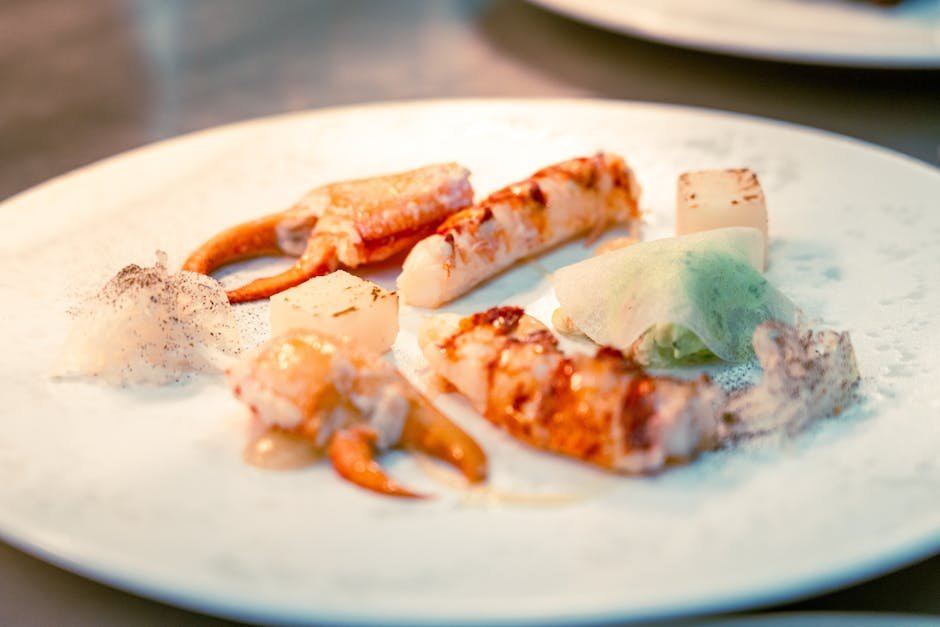
In 2026, fine dining is about intention. It’s a chef telling a story through food. It’s meticulous service, premium ingredients, and technique that makes you wonder how they created something so perfect on a plate. But it’s also looser than it used to be. Many fine dining restaurants now have a relaxed elegance—chef’s tables in the kitchen, bars where you can watch the action, more casual dress codes. You might find yourself at a high-end tasting menu experience in jeans and a nice sweater, something that would’ve been unthinkable at a Michelin-starred restaurant in 2010.
What hasn’t changed is the fundamentals. Fine dining prioritizes experience over speed. Courses arrive thoughtfully spaced. The wine pairings are intentional. The staff knows the provenance of the halibut on your plate. It’s the opposite of efficient dining—it’s a three-hour or longer conversation with the kitchen through every dish that arrives.
The post-pandemic shift also means more transparency. Many high-end restaurants now publish tasting menus online before your visit, explain their sourcing story, and make clear what dietary restrictions they can accommodate. You no longer have to call and nervously ask if they serve vegetarian options—they’ll tell you upfront.
Understanding Tasting Menus and Prix Fixe
This is where the confusion usually starts. People throw these terms around like they’re the same thing. They’re not.
Tasting Menu (also called degustation)
A tasting menu is a chef’s creative statement. They decide what you’re eating, in what order, and how much of it. You’re trusting them completely. A typical tasting menu runs 5-12 courses, though some places go longer. Each course is small—an amuse-bouche, a palate cleanser, a tiny taste of something extraordinary—building to a narrative by the end of the meal.
The magic of a tasting menu is that you experience the chef’s vision without compromise. They’re not cooking to a customer’s modification—they’re executing exactly what they intended. This is why tasting menus command premium prices, and why the experience often feels personal and refined.
Prix Fixe Menu
Prix fixe (pronounced “pree FEEKS”) means fixed price. You get to choose from a limited set of options at each course level, but you’re paying a set price. Most prix fixe experiences offer 3-4 courses, sometimes with an optional cheese or wine pairing. You might choose between two entrée options, but you’re not building your own menu from dozens of choices.
This is more flexible than a tasting menu but still curated. The chef has selected a smaller set of dishes that work together as a meal, rather than letting you pick anything you want off a menu of 20 items.
The Real Difference in 2026
These days, many fine dining restaurants offer both. Some let you choose between a tasting menu and a prix fixe option at different price points. Some offer a tasting menu at the bar (shorter, maybe 6 courses) versus the dining room (full 10-course experience). The point is: you’re paying for the chef’s expertise and the restaurant’s execution, whether you’re giving them full creative control or making limited choices.
At Michelin-starred restaurants across the USA, you’ll find varied approaches. Some offer a single chef’s tasting menu experience (no choices), while others present two options—a shorter tasting menu (6-7 courses, around $120-$180) and a full tasting menu (10-12 courses, around $200-$280). A few fine dining restaurants have moved to an à la carte model with an optional tasting menu upgrade. Prices typically range from $120 to $350+ depending on the restaurant’s tier and wine pairings.
Fine Dining Terminology: A Complete Glossary
Walking into a fine dining restaurant and seeing words you don’t recognize on the menu is normal. Here’s what they actually mean.
Amuse-bouche — A tiny bite (often served before the meal officially starts) designed to wake up your palate and set the tone for what’s coming. Usually complimentary.
Mise en place — Everything in its place. This is more kitchen jargon, but servers will use it. It refers to the precise setup of your table and the organization of the kitchen.
Degustation — Another word for tasting menu. Comes from the French “déguster,” meaning to taste.
Palate cleanser — A small dish (often sorbet, a crisp white wine, or something citrus) served between courses to reset your taste buds before the next course arrives.
Sommelier — The wine expert on staff. They’re there to help you pair wines with your meal, not to make you feel stupid. A good sommelier will ask what you like and work within your budget.
Wine pairing — The sommelier’s selection of wines matched to each course of your meal. You can always skip it or ask for recommendations that are less expensive.
Tronçon — A thick-cut slice of fish, usually cut on the bias for presentation.
Garde manger — The cold station in the kitchen, or the chef who runs it. You might see this title on a menu if a dish is particularly intricate in its cold preparation.
Plating — The artistic arrangement of food on the plate. Fine dining is about presentation as much as taste.
Course progression — The order of dishes, carefully planned from lighter to heavier, to build the story of the meal and keep your appetite engaged.
Reduction — A sauce made by simmering liquid until it’s concentrated and flavorful. You’ll see this on many fine dining menus.
Sauce jus — A thin, flavorful liquid made from meat drippings, served alongside or under the protein.
How to Order at a Fine Dining Restaurant (Step by Step)
This is the anxiety point for most people. Let’s walk through it.
Step 1: Making the Reservation and Setting Expectations
Call or book online at least one week ahead, more if it’s a sought-after place. When you book, mention any dietary restrictions (vegetarian, allergies, strong dislikes). Don’t be vague. Say “dairy allergy” not “I’m kind of avoiding dairy.” The kitchen needs specifics to plan your meal.
If you’re not sure about the tasting menu, ask what the restaurant recommends. Many restaurants will tell you that the tasting menu is the intended experience, while the à la carte menu is available for guests who prefer more control. There’s no wrong answer—go with what you’re comfortable with.
Step 2: Arrival and Apéritif
You arrive, and a host or sommelier will likely offer you an apéritif—a drink before the meal, often a Champagne or sparkling wine. This is optional and might be extra, so ask if unsure. Don’t feel obligated to order it.
At this point, confirm any dietary needs again. The server should know what you’ve communicated at booking, but reiterate it: “Just to confirm, I’m vegetarian. Is the tasting menu adjustable?”
Step 3: First Course and Menu Explanation
If you’re doing a tasting menu, the server will explain each course as it arrives—where the ingredients came from, the cooking technique, pairing suggestions. Listen, but don’t feel pressured to remember everything. You’re here to eat and enjoy.
If you ordered à la carte or prix fixe, you made your selections when you ordered. That part is done.
Step 4: Wine Service
The sommelier (or a server trained in wine) will approach, often after you’ve ordered food. This is your chance to set the tone. You can:
– Ask for wine pairings (recommended, and worth the cost if it’s in your budget)
– Order a specific wine you know you like
– Ask for recommendations in your price range
– Skip wine entirely
A good sommelier will ask, “Are you looking for a full pairing, or would you prefer to choose one wine for the whole meal?” Be honest about your budget. Saying “I’m looking to spend around $60 on wine” is completely normal and the sommelier will work with that.
Step 5: Between Courses
As courses come out, eat at the pace the restaurant sets. Don’t rush. Part of the fine dining experience is the pacing—time to talk, to appreciate what you just ate, to prepare your palate for what’s next. If the restaurant is slow to bring the next course, they’re doing it intentionally.
If something isn’t working for you (too salty, too hot, flavor combination you don’t like), quietly tell your server. Fine dining kitchens can adjust. It happens more often than you’d think.
Step 6: Reading the Bill and Tipping
When the bill arrives, check it carefully. At fine dining restaurants, you’ll typically see:
– Food (the tasting menu or your selections)
– Beverages (wine, water service might be separate)
– Tax
– A gratuity line
At fine dining restaurants, standard gratuity is 18-20% of the pre-tax bill for exceptional service. Some restaurants include service charge automatically (often 18-22%), in which case additional tipping is optional—many guests leave 2-3% more if the service was truly exceptional. If no service charge is added, 20% is the modern expectation.
What to Wear: Fine Dining Dress Codes in 2026
The biggest shift in fine dining dress codes is that they’ve relaxed. Most high-end restaurants are now “smart casual” or “business casual” rather than requiring a jacket and tie.
Smart Casual — What this really means: clean, well-fitted clothes. No visible stains, no athletic wear, no flip-flops. A nice sweater and dark jeans work. Dress pants or a skirt and a blouse work. A nice shirt (even without a tie) works.
Business Casual — Nicer version of smart casual. Dress pants or a skirt, a blouse or button-up shirt. You can wear a blazer, but you don’t have to.
Upscale Casual — This is Michelin-starred “elevated casual.” Men: nice dark jeans, dress shirt, optional blazer. Women: a nice dress, skirt, or tailored pants with a nice top. The idea is “I made an effort” without being formal.
Black Tie — This is rare in 2026 even at top-tier fine dining. You’ll be told explicitly if black tie is required. It means a formal dress for women, a tuxedo for men. Maybe one or two restaurants per city require this.
Enforcement varies. Restaurants in New York, San Francisco, and Los Angeles tend to be more relaxed about dress codes even at three-star establishments—you’ll see well-dressed casual. Midwestern and Southern fine dining restaurants tend to maintain stricter dress codes. When in doubt, call and ask. “What’s the dress code?” If they say “smart casual,” show up in clean, well-fitted clothes and you’ll be fine. If they say “formal,” ask if a nice dress and heels count or if you need a gown. Err on the side of dressing up slightly—it’s harder to be overdressed at a fine dining restaurant than underdressed.
Fine Dining Costs in 2026: What to Budget
Price is always a concern, and fine dining isn’t cheap. Here’s what you’re actually paying for.
Tasting Menu Pricing
Price varies significantly by city and restaurant reputation. Tasting menus at fine dining restaurants in 2026 generally fall into three tiers:
– Accessible Fine Dining: $80-$150 per person for emerging or one-star fine dining experiences
– Mid-Tier Fine Dining: $150-$250 per person at established restaurants with strong local reputations
– High-End/Top-Tier: $250-$400+ per person at the most sought-after, critically acclaimed restaurants
These prices include food and service. Wine pairings are typically additional, ranging from $40-$150 depending on the restaurant and wine selection. Non-alcoholic pairings usually cost $30-$60.
Why Is It So Expensive?
Ingredient cost is part of it—these restaurants source premium components, often at a premium price. But you’re also paying for:
– Chef expertise and reputation
– Precision plating and presentation
– Trained service staff (often one server per 4 guests, or better)
– The building and dining room experience
– Innovation—these kitchens constantly develop new dishes
A fine dining meal that costs $250 per person isn’t necessarily 5x better than a $50 meal. It’s a different category of experience.
Hidden Costs to Know About
- Bread basket: sometimes charged separately, usually $5-$8
- Wine markup: expect to pay 3-5x what you’d pay for the same bottle at a wine store
- Service charge: some restaurants add 18-20% automatically
- Gratuity on top of service charge: not expected, but many people add 2-3% anyway
- Non-alcoholic pairing: often $40-$70, less than wine pairing but still an add-on
The Value Question
If you’re going for a special occasion (anniversary, promotion, milestone birthday), fine dining is worth it. You’re paying for a memorable experience. If you’re testing it for the first time, go for a mid-tier tasting menu rather than the most expensive option in town—still exceptional, but less of a financial leap.
FAQ: Fine Dining Questions Answered
Q: Can I get a tasting menu if I have a nut allergy?
A: Yes, almost always. Tell the restaurant at booking, and again when you arrive. Most fine dining kitchens are used to working around allergies and will create an alternative dish for each course that would normally contain nuts. This is standard practice.
Q: What if I don’t like one of the dishes in the tasting menu?
A: Tell your server immediately. They can’t uncook it, but they can tell the chef, and the kitchen will often adjust the next course or offer an alternative. Fine dining kitchens take feedback seriously—they want you to enjoy the meal.
Q: Is wine pairing worth the cost?
A: If you like wine, yes. A good sommelier’s pairings will enhance your meal in ways you might not find on your own. If you don’t drink or prefer not to, skip it. Many restaurants offer non-alcoholic pairings now, which are becoming sophisticated.
Q: How long does a fine dining meal actually take?
A: Plan for 2.5 to 4 hours, depending on the restaurant and how many courses. The pacing is intentional. If you’re in a time crunch, check with the restaurant about timing before you go.
Q: What’s the difference between a Michelin star and a fine dining restaurant?
A: Not all fine dining restaurants have Michelin stars, and not all Michelin-starred restaurants are fine dining. A Michelin star is an external rating system based on quality and technique. A fine dining restaurant is defined by its service, ingredients, and experience. You can have an excellent fine dining meal at a non-starred restaurant, and vice versa.
Author: openmenu.us Editorial Team
Last Updated: June 2026
Leave a Reply